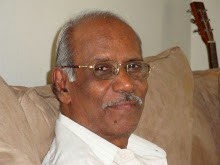
It was headmaster Pillay's idea that a fete should be organized in order to raise funds for the School Bus Project. During the previous P.T.A (Parent Teacher Association) meeting the School Bus Project was approved and the headmaster was authorized to raise funds using whatever means he deemed fit. The suggestion to conduct a fete was received whole-heartedly by the staff and a committee consisting of volunteers was formed forthwith. The headmaster and the deputy-head being the ex-officio members of this committee, it was empowered with the task of planning the details and forming various sub-committees for the execution of the plan.
It was decided to conduct the fete in the school-campus itself which was large enough for the purpose. A suitable date was fixed and various sub-committees such as the planning committee, the publicity committee, the seating and room-allocation committee, the entertainment committee, and the reception committee were formed.
Starting from the very next day after the formation of the committees, there was a flurry of activities as the various committees began their work. Workers got busy trimming the lawn, clearing the grass and weeds around the football field, painting the posts and railings around the tennis and basket ball courts as well as the swimming pool, putting a new coat of paint on the old buildings, the compound wall and other structures. Lessons were either interrupted or suspended as urgent meetings were called or pupils were pulled out for rehearsals. Various departments started organizing their exhibits for display during the fete. The Needlework section of the Domestic Science department concentrated on making dresses, baby-ware and dolls while the Cookery section made plans for baking cakes, scones, doughnuts and other eatables for sale on the big day. The Science department decided to put up exhibits of a competitive nature in all the three laboratories. Participants had to pay a small entry fee, but winners would be rewarded adequately. The English, Geography, History and Mathematics departments made arrangements for the display and sale of books, charts, maps, models, souvenirs, replicas etc. and for some competitions using electrical quiz boards on which coloured bulbs would light up when correct answers were given. The Art department built up a collection of magnificent paintings, clay models, statues and pottery. The Metalwork and Woodwork departments got busy making knives, shovels, tool-boxes, stools, cabinets etc. for display and for sale. In addition to what the departments put up, there were other interesting items like a jumble sale to sell hundreds of surplus items such as disused shoes, ties, caps, clothing, dolls, toys or any other useful article donated by pupils and teachers, a shooting range where you could try your luck by shooting with an air gun at paper ducks that were kept moving and also a "fish pond" where you could "fish" for gifts. It was also decided that an entry fee would be collected at the gates.
As the fete-day drew nearer, the air of expectancy deepened. The sub-committees started meeting almost every day to review the progress. In the meanwhile an advance amount was paid from the PTA fund to Toyota agents in Lusaka to book a 26 seat Coaster for Mufulira Secondary School and a huge poster bearing the picture of the mini-bus was posted on the main notice board with the caption, "Our School Bus- Soon A Reality".
At last the great day arrived. All the arrangements had been finished by nightfall of the previous day. There was multi-coloured bunting all around the central court-yard and on both sides of the paths leading to the amphitheatre, football field and gymnastics court. Hundreds of coloured flags were hung from clothe-lines stretched all over the place and massive multi-coloured umbrellas were placed in different parts of the main court-yard, with chairs arranged in circles. This is where people would sit and enjoy the refreshments that were on sale. As the fete would start at 2 PM only, the morning session was devoted for applying finishing touches. We could see the Cadets practising already their march-past in the football field and hear their band. The prefects in their smart uniform were at the gates and all over the school campus keeping an eye on the pupils who were moving about either on duty or on various other pretexts.
When the gates opened at 2 PM there was an onrush of people who were waiting outside for a considerable time. The prefects at the gates handled the crowd well and ensured that each one would get an entry ticket before being admitted in. The band at the reception foyer struck a welcome note and volunteers among the pupils led the visitors to the starting place from where they could follow the signs that were put up by our artists throughout the school campus which had been transformed into a wonderland of fun and amusement.
It took more than two hours for the spectators to pass through the departmental stalls, science laboratories, art, woodwork and metalwork rooms etc. Once they came out in the open, there were many other attractions such as Indian and African dances, plays in the amphitheatre, cadet march, gymnastics etc. which everyone was free to watch.
Soon it was 5 PM and people were still coming in. As the campus was overflowing with spectators, it was decided to close any further entry. The cadets allowed people who wanted to leave to use the exit gates, but the entry gates remained closed. However, those who were within the grounds were free to remain until 8 PM to listen to the melodious Indian music concert organized by the Hindu Association of Mufulira as a tribute to the school, which was scheduled to take place soon after the stalls closed at 6 PM.
It was a day of great enjoyment to the people of Mufulira, young and old alike. Not only that the fete was a very successful event, the takings of which enabled us to reach much closer to our target amount for the school bus project, but also was one of the most memorable days in the history of Mufulira Secondary School, under the able leadership of Mr. Arthur J. Pillay.
Monday, April 20, 2009

Tuesday, February 3, 2009
Staff Meeting in a Zambian Boarding School
The very first full-fledged staff meeting that I had the privilege to attend, came up at the beginning of the new term after my arrival in Luwingu. It took place on a Friday before the reopening of schools. The meeting was scheduled for 14.00 hours Zambian time. Even though I wasn’t quite used to the 24 hour clock, I figured it out as 2 PM. In Zambia, it was customary in those days for teachers to wear a tie when they go to their classes. So, being a new teacher, I dressed up properly and reached in time for the meeting. The venue was given as the staff room. When I reached, I found the staff room in great disorder. Even though it was nearly the starting time, the chairs were not arranged properly and the room was very untidy. Some of the early arrivals had pulled up some chairs in a small circle and were involved in animated conversation. Most of them were British or Irish. The men were in their shorts and T-shirts while the ladies were wearing some very short skirt or frock. None of them appeared sufficiently well-dressed for a staff meeting. Mr. Syal, one of the four Indian teachers in the school, was sitting alone in a corner and staring at nothing in particular. He was wearing a clean shirt and tie. A huge Alsatian dog was seated very comfortably on a large chair as if presiding over the meeting. Later I came to know that it belonged to a teacher named Reid who looked like a high school student. The headmaster, Mr. Simposya, arrived very promptly at the starting time, but there were only ten or eleven people present and no one seemed to notice his arrival. However, by 2.15 PM more people were trickling in and soon the meeting was called to order. It appeared that the headmaster, being a very neat and tidy person, was a bit distressed by the general uncleanness of the place and mentioned something to that effect in his opening remarks. Mr. Campbell, the acting deputy head, growled something about the ‘master on duty’ failing to carry out his job and the headmaster checked the duty list on the notice board to find out who was on duty. Reid was on duty but he had ample excuses to offer. He had arrived from the Copperbelt only the previous evening. His servant did not look after the dog properly in his absence so that the dog became very sick and he had to take the dog to the vet that morning and had arrived from there just before the starting time of the meeting. That accounted for the dog’s presence in the meeting but he assured that he had instructed the dog to remain silent during the meeting. He was sort of hinting that the headmaster should be thankful for his presence under such trying conditions. Mr. Simposya did not make any comments but moved on to the next item on the agenda, which was the reading of the minutes of the previous meeting.
I thought the reading of the minutes was a simple affair. Someone who normally takes down the minutes of a meeting reads it out during the next meeting and the minutes will be passed with or without correction. The corrections are made only if some errors were noticed in the minutes. Any progress on the decisions made in the previous meeting or further actions based on the same are discussed during “matters arising”. In Zambia, reading of the minutes takes most part of the time in a meeting. All sorts of questions, discussions, suggestions and observations come up during the reading of the minutes with frequent interruptions of the reading. It appears that we are going on and on in circles. People talk not only about what happened in the previous meeting and what plans were made, but also about what should be our future plans and what some people noticed in some other places sometime back etc.
About half way through the minutes’ reading, three people walked in. They were the Pipers and their neighbor Longridge who were delayed due to some reasons of their own. Now it was the turn of Mr. Simposya to give the newcomers an account of all what happened and what we discussed in their absence, starting from his opening remarks and the general untidiness of the staff room. They too had some explanations to make for their delay, questions to ask and suggestions to make. Another period of discussion followed and no one seemed to be in a hurry to make any progress.
As a result of these lengthy discussions and repetitions, it was almost nightfall and the staff room was getting darker and darker by the time we were not even half way through the agenda. We had no electricity as the diesel tanker from Kasama had not arrived that week and the generator could not be operated as a result. Knowing this, I was very hopeful that the meeting would come to a close very soon and the rest of the items in the agenda would be postponed for discussion on a later date. But to my great dismay, one of the orderlies (‘peons’ are called ‘orderlies’ in Zambia) started bringing in some ‘Tilly’ lamps and placing them in different parts of the room. Soon the staff room was filled with sufficient light to allow the meeting to continue for an indefinite period. I also noticed that most of the people appeared very relaxed and no one seed to be in any particular hurry. Many were sitting with their legs drawn up on to the chair and chain-smoking. Reid’s dog was sitting patiently on its chair and wetting the cushion with its plentiful saliva. The room was littered with hundreds of cigarette stubs and ashes were sprinkled all over the place. The meeting went on unhindered.
By 8 PM I wanted a cup of coffee very badly but there were no provisions for that. I felt like screaming, but thought better of it and decided to go to sleep instead, as some people were already doing. As I was about to doze off, there was a lull in the discussions and a moment of silence prevailed. That was when it came – the sound of very powerful snoring from one of the dark corners. All the eyes were turned in that direction and the culprit was identified, but the sleeping person continued to sleep and snore away, blissfully ignorant of what was happening. It was Mr. M, the teacher of local languages who did the snoring. The headmaster knew when he was licked. Mr.M was a well-respected old man who could not be reprimanded in public even by Mr. Simposya. So he simply called the meeting to a close and I went home with a great sigh of relief, thanking Mr. M silently for the kind action unknowingly performed by him that day.
I thought the reading of the minutes was a simple affair. Someone who normally takes down the minutes of a meeting reads it out during the next meeting and the minutes will be passed with or without correction. The corrections are made only if some errors were noticed in the minutes. Any progress on the decisions made in the previous meeting or further actions based on the same are discussed during “matters arising”. In Zambia, reading of the minutes takes most part of the time in a meeting. All sorts of questions, discussions, suggestions and observations come up during the reading of the minutes with frequent interruptions of the reading. It appears that we are going on and on in circles. People talk not only about what happened in the previous meeting and what plans were made, but also about what should be our future plans and what some people noticed in some other places sometime back etc.
About half way through the minutes’ reading, three people walked in. They were the Pipers and their neighbor Longridge who were delayed due to some reasons of their own. Now it was the turn of Mr. Simposya to give the newcomers an account of all what happened and what we discussed in their absence, starting from his opening remarks and the general untidiness of the staff room. They too had some explanations to make for their delay, questions to ask and suggestions to make. Another period of discussion followed and no one seemed to be in a hurry to make any progress.
As a result of these lengthy discussions and repetitions, it was almost nightfall and the staff room was getting darker and darker by the time we were not even half way through the agenda. We had no electricity as the diesel tanker from Kasama had not arrived that week and the generator could not be operated as a result. Knowing this, I was very hopeful that the meeting would come to a close very soon and the rest of the items in the agenda would be postponed for discussion on a later date. But to my great dismay, one of the orderlies (‘peons’ are called ‘orderlies’ in Zambia) started bringing in some ‘Tilly’ lamps and placing them in different parts of the room. Soon the staff room was filled with sufficient light to allow the meeting to continue for an indefinite period. I also noticed that most of the people appeared very relaxed and no one seed to be in any particular hurry. Many were sitting with their legs drawn up on to the chair and chain-smoking. Reid’s dog was sitting patiently on its chair and wetting the cushion with its plentiful saliva. The room was littered with hundreds of cigarette stubs and ashes were sprinkled all over the place. The meeting went on unhindered.
By 8 PM I wanted a cup of coffee very badly but there were no provisions for that. I felt like screaming, but thought better of it and decided to go to sleep instead, as some people were already doing. As I was about to doze off, there was a lull in the discussions and a moment of silence prevailed. That was when it came – the sound of very powerful snoring from one of the dark corners. All the eyes were turned in that direction and the culprit was identified, but the sleeping person continued to sleep and snore away, blissfully ignorant of what was happening. It was Mr. M, the teacher of local languages who did the snoring. The headmaster knew when he was licked. Mr.M was a well-respected old man who could not be reprimanded in public even by Mr. Simposya. So he simply called the meeting to a close and I went home with a great sigh of relief, thanking Mr. M silently for the kind action unknowingly performed by him that day.
Wednesday, December 31, 2008
A Very Dusty Home-coming
We were on the last leg of our journey, returning from a five-day trip to Chilubi Island and Bwangwelu swamps in the Northern Province in connection with the National Census in Zambia. During our voyage from the Island port of Santa Maria to the mainland port of Nsombo, we ran into bad weather and the waves were so high that we thought we were going to capsize. However, now that we were nearing the mainland, the surface of the lake became as smooth as glass and the boat raced evenly like an arrow released from the bowstring. The mid-morning sun cast its bright light on the lake and the port of Nsombo emerged out of the horizon.
However, a great disappointment was awaiting us at Nsombo. There was no government transport available to take us back the sixty kilometers to Luwingu. At the sub Boma they told us that the government “Land-rover” from Luwingu had been coming for us every day for the last three days and returning empty. The vehicle had come this morning also, but went back earlier than usual, i.e. just a few minutes before our arrival. The telephone system was out of order and there was no means in Nsombo to contact Luwingu. This was certainly not one of our lucky days!
We could see the ferry from where we were standing. The Moonraker, the boat in which we had come, was pulling out slowly from the jetty into the great expanse of water. The crew members were on their way to their base at Samfya, after accomplishing their mission. The blue lake, the bright sun and the gleaming white boat made a pretty picture before our eyes, but we were not in a mood to enjoy the scenery. We stood there racking our brains to find a way to reach our final destination.
Perhaps most of my readers may not be able to understand the seriousness of the situation. Like many other remote parts of Africa, Nsombo was a place where the only motorized transport that you could see was a government Land-rover or truck that would appear once in a blue moon on official business. The villagers in those parts never travelled far. The only places they frequented were the fishing areas of the lake and the “bush” from where they collected firewood. No one in a radius of fifty kilometres would have owned a motor vehicle, let alone a bicycle. We were in a ‘fix’ as some people would say.
I don’t remember how long we stood there, contemplating our next move. I thought Mr. Sichangwa, the District Secretary of Luwingu who was the leader of our party would figure out a way, but I could see helplessness written all over his face.
Even before we heard the laboured rumbling of an old motor, we saw a moving cloud of dust at some distance on the winding dirt road. We craned our neck to see what was happening, but could not see anything except a belt of trees on the road side and the dust cloud. Then we saw it, a box-like contraption, moving in our direction. When it came closer, we could distinguish it as what was left of a Land-rover, without any top or sides, a rusty chassis mounted on four wheels with some kind of a platform fixed on it and the engine sounding as if the whole thing would break loose at any moment. There were no seats inside. The driver was perching precariously on the metal skeleton of something which used to be the framework of a seat a few decades ago. But if I say our hearts lifted at the very sight of this moving monstrosity, you can just imagine how desperate our predicament was. The vehicle, if I can call it so, sped up to the jetty and stopped abruptly as the road ended there. The driver wanted to take the vehicle back. While he was making a number of unsuccessful attempts to throw the gears into reverse, Mr. Sichangwa approached the driver and introduced himself as the District Secretary of Luwingu before asking him anything about the vehicle. We learnt that the vehicle belonged to the Department of Agriculture and had been involved in a serious accident sometime back. The wreck was bought in an auction sale after many years by the present owner who was a former mechanic in the Ministry of Works. He rebuilt the vehicle to its present state by improvising the necessary parts from here and there. It was still in a very early stage for making a trial run on the public road, but he was taking a chance as the roads were fairly deserted most of the time. The DS asked him whether he could take the three of us to Luwingu in his vehicle to which he replied with an emphatic “No”. In the first place his vehicle had no road tax or fitness certificate. Then there were other reasons too, he may not have enough fuel in the tank, the engine was misfiring every now and then, the indicators and the hooter were not working, there were no seats and he was afraid that it would break down before reaching its destination. The DS told him that he would give him thirty minutes to adjust the carburetor and check the brakes. He added that he should not worry about the road tax or fitness at the moment as we were on national duty and it was an emergency. He said that he would make sure that the police would not bother him. As for the seats, he told him to organize some mattresses from his home to put inside the vehicle and we would take a chance with the other things such as a possible break-down or running out of fuel. He also promised to pay for his services as soon as we reached Luwingu and also to provide him with sufficient fuel for his return trip. After coaxing him for another fifteen minutes, he agreed finally but with a warning that no blame should be put on him in case the vehicle had a break-down on the way. Then he departed to make the vehicle ready for the trip.
He returned with the vehicle after about an hour and we set off sitting on a couple of old mattresses from which a very unpleasant odor was emanating and with a lot of unfamiliar noises coming from the engine and other parts of the vehicle. As there was no roof or canopy to protect us from wind and sun, we sat there in the scorching heat of the sun, clutching firmly on some part of the bodywork lest we should be thrown out by the repeated jolts or blown apart by the wind. Within a short while we noticed that a lot of red dust was settling over us, but could not do anything about it. The journey was pure torture by the combined effects of heat, wind and jolts. The many bumps and ditches on the road as well as the twists and turns of the road were all taken at such a high speed that we thought we could hear the rattling of our bones within the body. The driver did not utter a single word throughout the journey that appeared to go on for ever and he totally ignored our plea to reduce the speed. However, the vehicle did neither break down nor run out of fuel until we reached Luwingu late in the afternoon, tired and hungry, aching in all the joints and completely covered from head to foot in red dust so that we all looked like creatures from another planet and beyond recognition even by our own mothers. The Land-rover dropped me at my home and I could see by the expression on my wife’s face that she was panic-stricken on the very sight of this apparition before recognizing me as her beloved husband and the vehicle as the moving wreck of an old Land-rover. It was of great consolation to me to know that I was just in time to stop my wife from going to the police to file a complaint about her missing husband who left home five days ago on national duty. Some of the neighbours who looked up at the high-pitched whining sound of the vehicle and witnessed my home-coming expressed later their delight in seeing me back in ‘one piece’ even though in a very shabby and unrecognizable state.
.
However, a great disappointment was awaiting us at Nsombo. There was no government transport available to take us back the sixty kilometers to Luwingu. At the sub Boma they told us that the government “Land-rover” from Luwingu had been coming for us every day for the last three days and returning empty. The vehicle had come this morning also, but went back earlier than usual, i.e. just a few minutes before our arrival. The telephone system was out of order and there was no means in Nsombo to contact Luwingu. This was certainly not one of our lucky days!
We could see the ferry from where we were standing. The Moonraker, the boat in which we had come, was pulling out slowly from the jetty into the great expanse of water. The crew members were on their way to their base at Samfya, after accomplishing their mission. The blue lake, the bright sun and the gleaming white boat made a pretty picture before our eyes, but we were not in a mood to enjoy the scenery. We stood there racking our brains to find a way to reach our final destination.
Perhaps most of my readers may not be able to understand the seriousness of the situation. Like many other remote parts of Africa, Nsombo was a place where the only motorized transport that you could see was a government Land-rover or truck that would appear once in a blue moon on official business. The villagers in those parts never travelled far. The only places they frequented were the fishing areas of the lake and the “bush” from where they collected firewood. No one in a radius of fifty kilometres would have owned a motor vehicle, let alone a bicycle. We were in a ‘fix’ as some people would say.
I don’t remember how long we stood there, contemplating our next move. I thought Mr. Sichangwa, the District Secretary of Luwingu who was the leader of our party would figure out a way, but I could see helplessness written all over his face.
Even before we heard the laboured rumbling of an old motor, we saw a moving cloud of dust at some distance on the winding dirt road. We craned our neck to see what was happening, but could not see anything except a belt of trees on the road side and the dust cloud. Then we saw it, a box-like contraption, moving in our direction. When it came closer, we could distinguish it as what was left of a Land-rover, without any top or sides, a rusty chassis mounted on four wheels with some kind of a platform fixed on it and the engine sounding as if the whole thing would break loose at any moment. There were no seats inside. The driver was perching precariously on the metal skeleton of something which used to be the framework of a seat a few decades ago. But if I say our hearts lifted at the very sight of this moving monstrosity, you can just imagine how desperate our predicament was. The vehicle, if I can call it so, sped up to the jetty and stopped abruptly as the road ended there. The driver wanted to take the vehicle back. While he was making a number of unsuccessful attempts to throw the gears into reverse, Mr. Sichangwa approached the driver and introduced himself as the District Secretary of Luwingu before asking him anything about the vehicle. We learnt that the vehicle belonged to the Department of Agriculture and had been involved in a serious accident sometime back. The wreck was bought in an auction sale after many years by the present owner who was a former mechanic in the Ministry of Works. He rebuilt the vehicle to its present state by improvising the necessary parts from here and there. It was still in a very early stage for making a trial run on the public road, but he was taking a chance as the roads were fairly deserted most of the time. The DS asked him whether he could take the three of us to Luwingu in his vehicle to which he replied with an emphatic “No”. In the first place his vehicle had no road tax or fitness certificate. Then there were other reasons too, he may not have enough fuel in the tank, the engine was misfiring every now and then, the indicators and the hooter were not working, there were no seats and he was afraid that it would break down before reaching its destination. The DS told him that he would give him thirty minutes to adjust the carburetor and check the brakes. He added that he should not worry about the road tax or fitness at the moment as we were on national duty and it was an emergency. He said that he would make sure that the police would not bother him. As for the seats, he told him to organize some mattresses from his home to put inside the vehicle and we would take a chance with the other things such as a possible break-down or running out of fuel. He also promised to pay for his services as soon as we reached Luwingu and also to provide him with sufficient fuel for his return trip. After coaxing him for another fifteen minutes, he agreed finally but with a warning that no blame should be put on him in case the vehicle had a break-down on the way. Then he departed to make the vehicle ready for the trip.
He returned with the vehicle after about an hour and we set off sitting on a couple of old mattresses from which a very unpleasant odor was emanating and with a lot of unfamiliar noises coming from the engine and other parts of the vehicle. As there was no roof or canopy to protect us from wind and sun, we sat there in the scorching heat of the sun, clutching firmly on some part of the bodywork lest we should be thrown out by the repeated jolts or blown apart by the wind. Within a short while we noticed that a lot of red dust was settling over us, but could not do anything about it. The journey was pure torture by the combined effects of heat, wind and jolts. The many bumps and ditches on the road as well as the twists and turns of the road were all taken at such a high speed that we thought we could hear the rattling of our bones within the body. The driver did not utter a single word throughout the journey that appeared to go on for ever and he totally ignored our plea to reduce the speed. However, the vehicle did neither break down nor run out of fuel until we reached Luwingu late in the afternoon, tired and hungry, aching in all the joints and completely covered from head to foot in red dust so that we all looked like creatures from another planet and beyond recognition even by our own mothers. The Land-rover dropped me at my home and I could see by the expression on my wife’s face that she was panic-stricken on the very sight of this apparition before recognizing me as her beloved husband and the vehicle as the moving wreck of an old Land-rover. It was of great consolation to me to know that I was just in time to stop my wife from going to the police to file a complaint about her missing husband who left home five days ago on national duty. Some of the neighbours who looked up at the high-pitched whining sound of the vehicle and witnessed my home-coming expressed later their delight in seeing me back in ‘one piece’ even though in a very shabby and unrecognizable state.
.
Friday, December 26, 2008
Neither Too Early Nor Too Late
We were on our way back to Luwingu from the remote village of Fube (pronounced "foobey") after an operation in connection with the National Census in Zambia. There were five of us in the boat, including the district secretary(D.S) of Luwingu and me, the senior census officer for the district. The Moonraker, a 30 ft. cabin cruiser which could do upto 35 knots in the open sea was now making about 6 to 8 knots in the treacherous Bangwelu swamps.
It was Thursday afternoon. In fact, we should have been back home by Tuesday evening. The reason for the delay was due to the fact that our skipper who boasted at the commencement of our journey that he knew the waterways of the swamps as good as the lines on the palm of his hands, lost his way miserably and got us all stranded, but for the help of some local fishermen. It goes without saying that we lost a lot of precious time, effort and fuel as a result. However, we accomplished our mission and were on our way back. Our going was very slow because of the many sand bars in the canal and also due to the presence of under-water weeds that kept on getting entangled on the propellers. Even though we were very anxious to reach home, we knew that we would have to spend the night at the island port of Santa Maria and resume our journey early next morning.
We were sitting on deck chairs and chatting. The D.S casually asked the skipper how long it would take to reach Santa Maria. He hesitated before answering and then said "may be two hours unless our tanks run dry".
We were startled. We never knew we were on the brink of running short of fuel. "What about the reserve tank?" the D.S asked. "We are almost at its bottom. May be another ten km" was the reply.
The D.S and I looked at each other. We were given to understand at the start of the trip that we had more than enough diesel. The boat had an extra fuel tank for surplus fuel and the skipper had been instructed to ensure that both tanks were filled up before commencing our journey.
Apart from losing our way in the swamps, we had another misfortune. The skipper's assistant who was new, fiddled with the boat's wireless set and made it inoperative soon after we started on our voyage. As a result we had no means of communication at present. There were no passenger boats operating through the swamps. Our food supply also was running very short and each one of us was longing to reach home and have a decent meal and proper sleep.
We travelled for another thirty minutes or so, and found ourselves at the mouth of the canal leading from the river. It was good that we were at last out of the swamps, but still we had to go far. Even though we were nowhere near the passenger-boat service lane, if someone came along in a canoe, the skipper's mate could go to Santa Maria and send a wireless message to Bwangwelu Water transport company in Samfya which owned the boat to arrange for some fuel. Even then it would take several hours before we could get out of this jam.
Now that we were in river Chambeshi, the skipper could have opened up the throttle and sent the boat at full speed. But as the tank would run dry at any moment, he kept the boat moving under minimum acceleration. As we cleared the turn-off, a lone bottle store from where we bought soft drinks two days ago came into sight. We decided to stop there and explore the possibilities of communicating with the outside world.
The bottle-store appeared empty and forlorn. It was nearly 2 PM. As there were no people around at this time of the day, our arrival did not create any excitement. While the skipper's mate made the boat fast to the railing of the rickety jetty, we noticed a 200 litre drum like the ones they use to transport petroleum products lying on the river bank, a little distance away from the jetty. It was rusty and appeared as if abandoned by someone a long time back. However, the skipper went and examined it. It was either stuck fast in the mud or filled with something, as it would not move easily. He went and made enquiries at the bottle-store. The man at the store told him that the drum contained some diesel that was dropped there at lunch time by a passenger boat from Santa Maria. The boat crew had instructed to give the diesel to one of their charter boats by name “Moonraker” which had gone to the swamps a few days ago as it would have exhausted its stock of fuel by this time. He showed us a written message scrawled on a piece of paper. It simply read "Diesel for Moonraker".
We did not know whether to laugh or cry for joy. There was no difficulty in convincing the store-keeper that we were from the Moonraker as the name was written clearly on the side of our boat. The man at the store came out to assist us in siphoning the diesel into the boat’s tanks and we proceeded on our way after thanking him profusely. We also felt so grateful to someone at Bwangwelu Corporation in Samfya who was thoughtful enough to visualize our predicament and ordered one of their passenger boats to deviate from its normal route and make a side trip of more than thirty kilometres to assist us even before receiving any message for help from us. Above all, we thanked God for sending this timely help that came neither too early nor too late.
Sunday, November 30, 2008
A Therapy of Occupation
There were no apparent reasons for the pain in my shoulder. It started one day when I lifted up my arm to write on the class-room board during teaching. The pain was so sudden that I put down my arm with a jerk. Some of the pupils might have noticed my action and wondered what it was all about. Even though, the pain subsided temporarily, it recurred each time I raised my right arm.
Back at home I had a hot bath after which some liniment was applied. Even though I slept well, the pain was still there when I got up next morning. I did not do much writing on the chalk board that day.
As the pain still persisted even on the third day, I decided to go to the hospital and consult a doctor. Accordingly I drove the 100 miles to Kasama General Hospital, even though it was a very painful exercise. The doctor had my shoulder x-rayed and then prescribed a few medicines. He told me that I should consult an orthopaedic surgeon if the pain did not subside within a week or so. He gave me the necessary papers. I was also advised to keep my arm in a sling.
I was very depressed. In fact I was supposed to go to Lusaka next week to participate in the metal workshop organized by the JETS (Science) Clubs. It was a week-long workshop to which I had been selected being the Advisor of Luwingu Science club. Now it was almost certain that I would not be taking part in it.
By the end of the week, my arm had become quite stiff and I realized that no time should be wasted in seeing the orthopaedic surgeon. The problem was how to reach Lusaka. I discussed the matter with my headmaster Simposya. By a mere coincidence it happened so that the headmaster was looking for a lift to go to the Copperbelt to buy some spare parts for his car. He agreed to take me up to Ndola in my own car if I would let him drive it. Accordingly we set out to Ndola on a Friday. I gave him directions to take me to a friend's house in Ndola where he left me with my car and departed. My friend Chacko took me to Lusaka the next day in his car and after dropping me at the UTH (University Teaching Hospital) returned to Ndola the same day, as he had to attend some urgent business at home.
By the time I reached the hospital it was about lunch time. On making enquiries at the orthopaedic department, I came to know to my great dismay that the orthopaedic surgeon Dr. Gold had his weekly clinic on the previous day and his next clinic would be on next Friday only.
My immediate problem was to find accommodation in Lusaka until next Friday. It was unlikely that I could manage to get accommodation at the Hubert Young hostel or the Long Acres hostel at such a short notice. Staying one week in a hotel would be very expensive and I did not have sufficient funds. The other alternative would be to gate-crash to some friend's house, but one week was a long period and I felt very reluctant.
It was then that I remembered about the JETS workshop. The Ridgeway Campus where the participants were to be accommodated was right across the road. As I knew I was expected for the workshop, I thought I would go and register there. So I removed my sling and walked over to the place, with my brief case in my "good" hand. The man in charge told me that he did not expect anyone so early, but he did not want to refuse accommodation as I had arrived already. He ticked against my name on a check-list and handed me a key to one of the rooms. The room number was on the tag and he gave me directions. He also gave me a name-plate to wear for identification purpose and a printed card showing the meal-times at the Campus etc.
The room was quite spacious and intended for double occupancy. Another guy whom I used to know before, joined me on Sunday. His name was Anthony and he came from a place called Mpika (pronounced 'empeeka') . He also had come for the workshop. While we were getting ready for the supper, he noticed that there was something wrong with my arm. I told him in one or two sentences about an unexpected pain in my right shoulder that was troubling me a bit and that I might require some help from him during the workshop. He promised all possible help and did not bother me with further questions.
The workshop started on Monday morning. Our instructor's name was Carpenter. I thought it would have been more appropriate if it were Blacksmith. There were about twenty of us. Many were personally known to me. All of us were provided with a large sheet of galvanized iron and a set of metal-working tools. Our assignment was to make a tool box using the sheet metal, paint it and stencil our name and school-address on it. The tools were to be placed inside the tool-box after making it. Mr.Carpenter would examine our work on Thursday afternoon and would allow us to take the tool-box and the tools along with us for the use of our science club. The participants would leave the campus after breakfast on Friday. I thought how convenient it would be for me to keep my appointment on Friday afternoon with Dr. Gold.
The crunch came when the session of instructions was over and Mr. Carpenter asked us to start the work. There was a great flurry of activities as everyone started measuring and marking the metal sheet. I found the sheet so heavy that I could not even lift it with one hand. I decided to wait until Anthony would come to my assistance. However, he was so busy with his own work that he hardly glanced in my direction.
Just before lunch break, Carpenter came round to see what progress we had made. Most people had finished measuring and marking the sheet, ready for cutting. He nodded approvingly to each person and then came to me. He was so surprised to see me standing there with the huge metal sheet lying on the floor and the tools in a heap beside it. He asked me for an explanation and I told him I misplaced the instructions. He asked me why I didn't go to his office and ask for another copy. I didn't say anything. He expressed some doubts about the authenticity of my intentions in being there and asked me to follow him to his office for another copy of instructions. I complied with.
When work was resumed after the lunch-break, Carpenter came round the workbenches, to see how things were going on. I could not stand lazing around any longer. I started measuring and marking the sheet, very awkwardly, as I could not use my right arm properly. When Carpenter came to my workbench, he noticed how I was struggling and asked me if there was something wrong with my arm. I told him about a pain that developed all of a sudden and got his sympathy. He told me to take it easy and do the job without any hurry and left.
When the work for the day came to a close I noticed that all the others had their sheets cut into the required measurements and shape. I somehow managed to finish the marking and left the sheet on my workbench along with the tools and departed. My arm was aching so much that I rushed to my room and swallowed a couple of “panadol”. However I decided that I would not seek anyone's help hereafter. If I could not finish the work on time, well, I would leave it unfinished.
Cutting the sheet was the job for the next day. This was found more difficult than I thought, especially with the pain on my shoulder aggravated by the previous day's efforts. As I could not lift my arm above waste-level, I decided to place the sheet on the floor and kneel over it while cutting. It was a very tough job but I managed to cut the required pieces and made them ready for soldering.
To cut a long story short, I finished my work by Thursday afternoon and submitted it for inspection on Friday morning. Mr.Carpenter expressed his satisfaction, gave me a course- certificate and a cheque for my travel-claim and I left the Campus after lunch.
I kept my appointment with Dr.Gold on Friday afternoon. He looked at the x-ray and the other papers that I had brought along with me from Kasama and asked me to raise my hand above my head, to lower it and to extend it. To my surprise, I found that I could perform these actions without much difficulty. Then he told me that he did not find anything wrong with me and I could just go home. I was a bit disappointed and tried to tell him how bad it was before, but he cut me short and asked me what I was doing since my first arrival at the hospital. I told him I had been attending a metal workshop and he replied with a smile that it was the best treatment for me under the circumstances. He handed me back my x-ray and other papers and called for the next patient.
I caught a lift to Ndola and collected my car from where it was stored. On the next day I drove back to Luwingu, taking along with me the tool-box that I had made, with the set of tools in it and my right arm no longer in a sling, but on the steering wheel of my car.
Back at home I had a hot bath after which some liniment was applied. Even though I slept well, the pain was still there when I got up next morning. I did not do much writing on the chalk board that day.
As the pain still persisted even on the third day, I decided to go to the hospital and consult a doctor. Accordingly I drove the 100 miles to Kasama General Hospital, even though it was a very painful exercise. The doctor had my shoulder x-rayed and then prescribed a few medicines. He told me that I should consult an orthopaedic surgeon if the pain did not subside within a week or so. He gave me the necessary papers. I was also advised to keep my arm in a sling.
I was very depressed. In fact I was supposed to go to Lusaka next week to participate in the metal workshop organized by the JETS (Science) Clubs. It was a week-long workshop to which I had been selected being the Advisor of Luwingu Science club. Now it was almost certain that I would not be taking part in it.
By the end of the week, my arm had become quite stiff and I realized that no time should be wasted in seeing the orthopaedic surgeon. The problem was how to reach Lusaka. I discussed the matter with my headmaster Simposya. By a mere coincidence it happened so that the headmaster was looking for a lift to go to the Copperbelt to buy some spare parts for his car. He agreed to take me up to Ndola in my own car if I would let him drive it. Accordingly we set out to Ndola on a Friday. I gave him directions to take me to a friend's house in Ndola where he left me with my car and departed. My friend Chacko took me to Lusaka the next day in his car and after dropping me at the UTH (University Teaching Hospital) returned to Ndola the same day, as he had to attend some urgent business at home.
By the time I reached the hospital it was about lunch time. On making enquiries at the orthopaedic department, I came to know to my great dismay that the orthopaedic surgeon Dr. Gold had his weekly clinic on the previous day and his next clinic would be on next Friday only.
My immediate problem was to find accommodation in Lusaka until next Friday. It was unlikely that I could manage to get accommodation at the Hubert Young hostel or the Long Acres hostel at such a short notice. Staying one week in a hotel would be very expensive and I did not have sufficient funds. The other alternative would be to gate-crash to some friend's house, but one week was a long period and I felt very reluctant.
It was then that I remembered about the JETS workshop. The Ridgeway Campus where the participants were to be accommodated was right across the road. As I knew I was expected for the workshop, I thought I would go and register there. So I removed my sling and walked over to the place, with my brief case in my "good" hand. The man in charge told me that he did not expect anyone so early, but he did not want to refuse accommodation as I had arrived already. He ticked against my name on a check-list and handed me a key to one of the rooms. The room number was on the tag and he gave me directions. He also gave me a name-plate to wear for identification purpose and a printed card showing the meal-times at the Campus etc.
The room was quite spacious and intended for double occupancy. Another guy whom I used to know before, joined me on Sunday. His name was Anthony and he came from a place called Mpika (pronounced 'empeeka') . He also had come for the workshop. While we were getting ready for the supper, he noticed that there was something wrong with my arm. I told him in one or two sentences about an unexpected pain in my right shoulder that was troubling me a bit and that I might require some help from him during the workshop. He promised all possible help and did not bother me with further questions.
The workshop started on Monday morning. Our instructor's name was Carpenter. I thought it would have been more appropriate if it were Blacksmith. There were about twenty of us. Many were personally known to me. All of us were provided with a large sheet of galvanized iron and a set of metal-working tools. Our assignment was to make a tool box using the sheet metal, paint it and stencil our name and school-address on it. The tools were to be placed inside the tool-box after making it. Mr.Carpenter would examine our work on Thursday afternoon and would allow us to take the tool-box and the tools along with us for the use of our science club. The participants would leave the campus after breakfast on Friday. I thought how convenient it would be for me to keep my appointment on Friday afternoon with Dr. Gold.
The crunch came when the session of instructions was over and Mr. Carpenter asked us to start the work. There was a great flurry of activities as everyone started measuring and marking the metal sheet. I found the sheet so heavy that I could not even lift it with one hand. I decided to wait until Anthony would come to my assistance. However, he was so busy with his own work that he hardly glanced in my direction.
Just before lunch break, Carpenter came round to see what progress we had made. Most people had finished measuring and marking the sheet, ready for cutting. He nodded approvingly to each person and then came to me. He was so surprised to see me standing there with the huge metal sheet lying on the floor and the tools in a heap beside it. He asked me for an explanation and I told him I misplaced the instructions. He asked me why I didn't go to his office and ask for another copy. I didn't say anything. He expressed some doubts about the authenticity of my intentions in being there and asked me to follow him to his office for another copy of instructions. I complied with.
When work was resumed after the lunch-break, Carpenter came round the workbenches, to see how things were going on. I could not stand lazing around any longer. I started measuring and marking the sheet, very awkwardly, as I could not use my right arm properly. When Carpenter came to my workbench, he noticed how I was struggling and asked me if there was something wrong with my arm. I told him about a pain that developed all of a sudden and got his sympathy. He told me to take it easy and do the job without any hurry and left.
When the work for the day came to a close I noticed that all the others had their sheets cut into the required measurements and shape. I somehow managed to finish the marking and left the sheet on my workbench along with the tools and departed. My arm was aching so much that I rushed to my room and swallowed a couple of “panadol”. However I decided that I would not seek anyone's help hereafter. If I could not finish the work on time, well, I would leave it unfinished.
Cutting the sheet was the job for the next day. This was found more difficult than I thought, especially with the pain on my shoulder aggravated by the previous day's efforts. As I could not lift my arm above waste-level, I decided to place the sheet on the floor and kneel over it while cutting. It was a very tough job but I managed to cut the required pieces and made them ready for soldering.
To cut a long story short, I finished my work by Thursday afternoon and submitted it for inspection on Friday morning. Mr.Carpenter expressed his satisfaction, gave me a course- certificate and a cheque for my travel-claim and I left the Campus after lunch.
I kept my appointment with Dr.Gold on Friday afternoon. He looked at the x-ray and the other papers that I had brought along with me from Kasama and asked me to raise my hand above my head, to lower it and to extend it. To my surprise, I found that I could perform these actions without much difficulty. Then he told me that he did not find anything wrong with me and I could just go home. I was a bit disappointed and tried to tell him how bad it was before, but he cut me short and asked me what I was doing since my first arrival at the hospital. I told him I had been attending a metal workshop and he replied with a smile that it was the best treatment for me under the circumstances. He handed me back my x-ray and other papers and called for the next patient.
I caught a lift to Ndola and collected my car from where it was stored. On the next day I drove back to Luwingu, taking along with me the tool-box that I had made, with the set of tools in it and my right arm no longer in a sling, but on the steering wheel of my car.
Friday, November 21, 2008
THE DAY THE RIOT BROKE OUT
The riot broke out without any warning. Everything appeared normal on the previous day which was a Sunday. Fr.Deltern from the White Father's mission in Luwingu conducted Sunday service and mass in the school hall as usual and the attendance was quite normal. In the afternoon, drum- beating started as early as 2 PM and the Kalela dancers started lining up immediately thereafter. By 5 PM the drum-beating was at its loudest and the dancing was in full swing. The dancers stood swaying and gyrating, one behind the other, with each one's hands on the sweating shoulders of the one in front, boys and girls intermingled, the line starting from the clearing near the boys' dormitories and snaking through the entire length of the foot-ball field. The sound of the drums was accompanied by shrill whistles, cat calls and what not. We had been watching this spectacle on every Sunday except during the school holidays, ever since we moved to the boarding school campus. It was quite a fascinating sight. The Kalela dance was the forum for all pupils to get involved in something interesting, irrespective of their age, sex or other characteristics.
During supper-time, Manachongo, the boarding master noticed a bit of restlessness among the senior boys. He knew the reason. The supply of meat that was scheduled to arrive from Kasama the previous day had not arrived due to reasons unknown to him. As a result there was no meat for the Sunday lunch. Formerly on such occasions, it was compensated at supper-time. As the supplier did not send any meat even by Sunday evening, no meat could be provided for supper as well. The boarders were greatly disappointed. It was rumoured that the C.E.O's office did not make the necessary payment and that was why the supplier did not send meat. Some of the senior pupils were even giving a hint to boycott the food but the majority of the boarders did not take it seriously. By Monday morning, everything appeared normal and the pupils had their breakfast as usual. At the beginning of lunch time some of the senior pupils went into the kitchen to find out whether there would be any meat for lunch. The cooks reminded them that the kitchen was out of bounds for the pupils and they would know whether there was any meat when the food was served. The boys were greatly annoyed and they stood at the entrance of the dining hall, asking each and everyone to boycott lunch as there was no meat. A number of juniors were intimidated from entering the dining hall that they went back hungry. As a result, a lot of nshima (cooked maize-meal) had to be thrown away.
As the boarding master knew what to expect at supper-time, the cooks were instructed to cook less food for supper. In the meanwhile the headmaster had been in touch with the C.E.O and was given assurance that his office would contact Shawn's butchery in Kasama and arrange with them to make an immediate delivery of beef.
Supper-time arrived and still there was no meat from Kasama. This time the girls also joined the boys in boycotting the supper. Some senior boys stood guard over the entrance of the dining hall so that the juniors may not sneak in. In addition, they procured a few tins of some detergent powder from the kitchen store and sprinkled it all over the cooked food so that no one would be tempted to eat the food even though hungry.
In the meanwhile the headmaster called an urgent meeting of the prefects (a selected body of senior pupils who were authorized to assist in maintaining law and order among the pupils) and explained to them the situation. He sought their help in restoring peace in the campus and they assured their support to the authorities. However, there was a strong feeling among the members of staff that some of the prefects themselves were involved in causing the agitation among the pupils.
There were two M'hangos among the prefects- Vivian and Bruce who were identical twins and were exactly alike in appearance. It was difficult to tell them apart but for the smile on Bruce's face and the scowl on Vivian's. We received an unconfirmed report that Vivian was one of the ring-leaders of the present unrest among the pupils which later proved untrue.
The situation became worse by Tuesday morning. All the boarders appeared for the breakfast, but no one seemed to be in a hurry to get back for the lessons after that. They were standing here and there in small groups and discussing matters. Even though the bell for the morning assembly was rung, no pupil took any notice of that.
In the meanwhile, the boarding master brought news that some pupils had started fighting in one or class rooms causing damage to the furniture and light fittings. The headmaster ordered Mukuka, the caretaker, to go round and lock up all the class rooms, laboratories and the generator shed.
By mid-morning while the pupils were still roaming about the school campus, about half a dozen senior pupils went to the headmaster as a delegation. They had a number of grievances written on a sheet of paper. It was not just the matter of having no meat for food, but there were other things also. They said that the boarders had taken a unanimous decision to boycott lessons until their grievances were redressed. The headmaster said he would look into the matter.
As there were no lessons going on, I decided to go to the main shopping area for a few purchases. I drove to Patel Syndicate, the shop where you could get most of your requirements and made my purchase. I chatted for a while with Mulenga, the manager, and returned to the school.
As I approached the school, I decided to drive on to my house and leave the car in my garage. I saw Bruce M'hango standing at the turn-off to the school and he waved at me to stop the car. He came to me and told that there was a bit of a problem. There was an open space beyond the school buildings, in between the girls' dormitories and the staff houses. All the pupils had gathered there, chanting some slogans and some of them were instigating the others to stone the staff-houses and cars. The headmaster, the boarding master and the boarding mistress were with the pupils, asking them to disperse, but no one was paying any attention. The headmaster had asked some of the prefects to inform all the expatriate teachers to stay away from the vicinity of the pupils' meeting place.
In order to reach my home, I had to drive round the corner of the place where the pupils were gathered. Somehow, I had a feeling that as I was popular with the pupils because of my science club activities, they would not hurt me. However, I forgot the fact that in situations like this, it was the mob-psychology that prevailed and their actions were not controlled by the head but by the heart. I thanked Bruce for the warning, but decided to keep going. I slowed down at the corner of the meeting place for a better look when I saw the boarding master coming towards me. I heard him telling me in a tone of urgency not to stop but to go home quickly. The situation was so tense that even the presence of a foreigner could provoke the pupils to behave in a totally uncontrollable manner. I hurriedly went home.
There were no further happenings on that day. By late afternoon the pupils became so tired and hungry that they dispersed one by one. Many of them were very disappointed that they could not go into a rampage. Later we came to know that it was Vivian M'hango whom we suspected of being one of the ring-leaders who prevented the pupils from going into a rampage. As he was very influential among the prefects as well as among the pupils, no one could act contrary to his strong stand against any attack on teachers' houses and property.
The meat truck from Kasama arrived in the evening and the pupils decided to call off the agitation. The incident had a happy ending by the headmaster making an announcement in the assembly next morning that all charges against the rioters were dropped.
We all heaved a sigh of relief as peace was restored to the campus once again.
Wednesday, November 12, 2008
THE PRESIDENT'S VISIT
It was with mixed feelings that we received the news of the President's visit. Our headmaster Simposya announced in the staff meeting that the President of the Republic Dr. Kenneth David Kaunda was intending to visit Luwingu within a period of two months and he would be addressing the pupils, teachers and parents during that time in the school hall.
Even though we had heard a lot about President Kaunda, we did not have the opportunity to meet him. In Africa, President Kaunda was not only well-known but also well-respected. He had the vision of a Unified Africa. He knew very well the importance of education in a developing country and he wanted all Zambians in the on-coming generations to be fully literate. With this view, his government in conjunction with the World Bank, formulated a plan called the Transitional Development Plan (TDP) under which new secondary schools were established in all the districts of Zambia. This was in addition to the existing "high schools" of the Colonial days. Luwingu secondary school was one such school.
The district governor called a series of meetings of the heads of various departments in the district to make preparations for the Presidential visit. The schools in the district, especially the one and only secondary school had to play a very important role. Pupils and teachers were briefed adequately on the procedures involved and the part each had to play. The Ministry of Works did their best to give a face-lift to the town and its surrounding areas. There was a week-long campaign of cleaning activities within the school campus. The atmosphere was filled with an air of expectation. The teachers also got busy making the classrooms under their charge as well as the laboratories and departmental offices to look spick and span.
In the midst of all this excitement, there was some apprehension also. The reason was that the teaching staff consisted mainly of expatriates (foreigners) only. Many of us still remembered what another prominent African leader commented about his capital city a few years ago. He said that he wanted his capital city to look like an African city and not like "Bombay". When he visited some schools in his country he remarked that he would like to see "more African faces than the faces of expatriates". Even though there is ample justification in what he said, it could hurt very much when such "truths" were hurled in your face when you were recruited by the very same people and given a contract. We did not know what would be President Kaunda's reaction when he found out that the entire teaching staff consisted of expatriates.
Being a very enthusiastic amateur photographer, I wanted to take some pictures of the President's visit. To my dismay, I found out that I had no films in my camera. The nearest place where I could get some 35 mm film was at Norman Kenward in Mufulira, about 250 miles(400 km) away from Luwingu. The President's visit was now due in three weeks' time and it was unlikely that anyone from the campus would be travelling to Mufulira during the above period. As I knew how much a film would cost, I decided to send the necessary amount plus postage by registered post requesting to send a roll of film urgently.
Just two days before the President's visit, I received a registered envelope from Norman Kenward. It contained some money and a note telling me that the film could not be sent as my payment was short of 15 ngwee (about 15 cents). I felt very bad but could not do anything about it. So I put my camera safely away.
We had a science club at the school comprising of a number of students. They wanted to record the President's speech, but the school had no tape recorder. The headmaster gave us a broken-down tape recorder and told us to repair and use it. We opened it and found a couple of loose connections which we soldered up. We found that the tape recorder worked well.
At last the great day came. All the students and the teachers lined up at the airstrip to welcome the President. There were the governor, district secretary, heads of departments, party militants, members of the public and a lot of police personnel. The Mercedes car for presidential use was brought from Lusaka two days ago and kept at the district governor's place. As we stood there straining our eyes, someone spotted the plane even from a very long distance and cried out in joy. The Zambia air force jet landed smoothly and rolled to a standstill. There was a make-shift rostrum near the place where the dignitaries sat and a red carpet was spread from the step of the plane up to the rostrum. As we looked on, the door of the plane opened and a smiling President, as well-groomed as ever in his Savile Row tailored safari suit emerged, waving a white kerchief at the crowd. No sooner than the President climbed up the rostrum the military band started playing the national anthem. The President addressed the crowd briefly, then got into the Mercedes and departed for the guest house accompanied by a number of police vehicles, and other vehicles containing heads of departments, party officials and other dignitaries. We returned to the school to continue with our preparations for the presidential visit in the late afternoon.
The school and its surroundings were decorated with colourful banners and Zambian flags. The banner at the main entrance to the campus read "WELCOME YOUR EXCELLENCY DR. KENNETH DAVID KAUNDA TO LUWINGU SECONDARY SCHOOL". Seats were arranged in the main dining hall to accommodate over 500 people. The Zambia Information Service (ZIS) put up their public address system with a number of loud speakers all around the place. There were many security men among the crowd that had gathered already. One of them was asking questions to the students who placed the tape recorder under a table for recording the President's speech.
At 5 PM the Presidential motorcade arrived at the entrance of the school campus. The teachers and the pupils in two separate groups lined up on both sides of the path. The President waved at the pupils and shook hands with all the teachers with a smile and one or two words in Cibemba (pronounced "chibemba" which is the prominent language of Zambia).
When the President stood up to address the crowd, there was thunderous applause from the people for many minutes. The loud speakers carried the President's rich voice all over the place. He made a special mention of the expatriate teachers by saying that he was greatly delighted to find so many people from other friendly countries who were there to assist the Zambian people and he was extremely grateful to those people and the countries from where they had come. He wished all the expatriates in Zambia a pleasant stay as long as they desired.
After the President and his entourage left, we wanted to replay his speech. The tape had already run out but we were sure that most of the speech had been recorded. It was then that we noticed that someone had pulled out the microphone cable from its socket. As we had checked and double-checked everything before the arrival of the President and none of us could go anywhere near the dais thereafter, there was no doubt that one of the security men could have played this mischief thinking that our old-fashioned machine was some kind of a voice-operated time bomb or something. Needless to say that we all felt very disappointed.
In spite of such disappointments, the visit of President Kaunda, who is considered as one of the greatest statesmen of Africa, and his encouraging words still remain fresh in our memory even after so many years of leaving that Friendly Country.
Even though we had heard a lot about President Kaunda, we did not have the opportunity to meet him. In Africa, President Kaunda was not only well-known but also well-respected. He had the vision of a Unified Africa. He knew very well the importance of education in a developing country and he wanted all Zambians in the on-coming generations to be fully literate. With this view, his government in conjunction with the World Bank, formulated a plan called the Transitional Development Plan (TDP) under which new secondary schools were established in all the districts of Zambia. This was in addition to the existing "high schools" of the Colonial days. Luwingu secondary school was one such school.
The district governor called a series of meetings of the heads of various departments in the district to make preparations for the Presidential visit. The schools in the district, especially the one and only secondary school had to play a very important role. Pupils and teachers were briefed adequately on the procedures involved and the part each had to play. The Ministry of Works did their best to give a face-lift to the town and its surrounding areas. There was a week-long campaign of cleaning activities within the school campus. The atmosphere was filled with an air of expectation. The teachers also got busy making the classrooms under their charge as well as the laboratories and departmental offices to look spick and span.
In the midst of all this excitement, there was some apprehension also. The reason was that the teaching staff consisted mainly of expatriates (foreigners) only. Many of us still remembered what another prominent African leader commented about his capital city a few years ago. He said that he wanted his capital city to look like an African city and not like "Bombay". When he visited some schools in his country he remarked that he would like to see "more African faces than the faces of expatriates". Even though there is ample justification in what he said, it could hurt very much when such "truths" were hurled in your face when you were recruited by the very same people and given a contract. We did not know what would be President Kaunda's reaction when he found out that the entire teaching staff consisted of expatriates.
Being a very enthusiastic amateur photographer, I wanted to take some pictures of the President's visit. To my dismay, I found out that I had no films in my camera. The nearest place where I could get some 35 mm film was at Norman Kenward in Mufulira, about 250 miles(400 km) away from Luwingu. The President's visit was now due in three weeks' time and it was unlikely that anyone from the campus would be travelling to Mufulira during the above period. As I knew how much a film would cost, I decided to send the necessary amount plus postage by registered post requesting to send a roll of film urgently.
Just two days before the President's visit, I received a registered envelope from Norman Kenward. It contained some money and a note telling me that the film could not be sent as my payment was short of 15 ngwee (about 15 cents). I felt very bad but could not do anything about it. So I put my camera safely away.
We had a science club at the school comprising of a number of students. They wanted to record the President's speech, but the school had no tape recorder. The headmaster gave us a broken-down tape recorder and told us to repair and use it. We opened it and found a couple of loose connections which we soldered up. We found that the tape recorder worked well.
At last the great day came. All the students and the teachers lined up at the airstrip to welcome the President. There were the governor, district secretary, heads of departments, party militants, members of the public and a lot of police personnel. The Mercedes car for presidential use was brought from Lusaka two days ago and kept at the district governor's place. As we stood there straining our eyes, someone spotted the plane even from a very long distance and cried out in joy. The Zambia air force jet landed smoothly and rolled to a standstill. There was a make-shift rostrum near the place where the dignitaries sat and a red carpet was spread from the step of the plane up to the rostrum. As we looked on, the door of the plane opened and a smiling President, as well-groomed as ever in his Savile Row tailored safari suit emerged, waving a white kerchief at the crowd. No sooner than the President climbed up the rostrum the military band started playing the national anthem. The President addressed the crowd briefly, then got into the Mercedes and departed for the guest house accompanied by a number of police vehicles, and other vehicles containing heads of departments, party officials and other dignitaries. We returned to the school to continue with our preparations for the presidential visit in the late afternoon.
The school and its surroundings were decorated with colourful banners and Zambian flags. The banner at the main entrance to the campus read "WELCOME YOUR EXCELLENCY DR. KENNETH DAVID KAUNDA TO LUWINGU SECONDARY SCHOOL". Seats were arranged in the main dining hall to accommodate over 500 people. The Zambia Information Service (ZIS) put up their public address system with a number of loud speakers all around the place. There were many security men among the crowd that had gathered already. One of them was asking questions to the students who placed the tape recorder under a table for recording the President's speech.
At 5 PM the Presidential motorcade arrived at the entrance of the school campus. The teachers and the pupils in two separate groups lined up on both sides of the path. The President waved at the pupils and shook hands with all the teachers with a smile and one or two words in Cibemba (pronounced "chibemba" which is the prominent language of Zambia).
When the President stood up to address the crowd, there was thunderous applause from the people for many minutes. The loud speakers carried the President's rich voice all over the place. He made a special mention of the expatriate teachers by saying that he was greatly delighted to find so many people from other friendly countries who were there to assist the Zambian people and he was extremely grateful to those people and the countries from where they had come. He wished all the expatriates in Zambia a pleasant stay as long as they desired.
After the President and his entourage left, we wanted to replay his speech. The tape had already run out but we were sure that most of the speech had been recorded. It was then that we noticed that someone had pulled out the microphone cable from its socket. As we had checked and double-checked everything before the arrival of the President and none of us could go anywhere near the dais thereafter, there was no doubt that one of the security men could have played this mischief thinking that our old-fashioned machine was some kind of a voice-operated time bomb or something. Needless to say that we all felt very disappointed.
In spite of such disappointments, the visit of President Kaunda, who is considered as one of the greatest statesmen of Africa, and his encouraging words still remain fresh in our memory even after so many years of leaving that Friendly Country.
Subscribe to:
Posts (Atom)